If you’ve ever spilt something on your couch or upholstery, you know how frustrating it can be to get stains out. Whether it’s a coffee spill, pet accident, or food stain, upholstery is prone to marks that can be tricky to remove. Knowing how to get old stains out of couch, how to remove old stains from upholstery, and how to remove old stains from a couch can help you restore your furniture without the need for expensive professional cleaning. In this article, we’ll explore five DIY solutions that work wonders for getting stains out of a couch and upholstery, as well as helpful tips on using a stain remover couch.
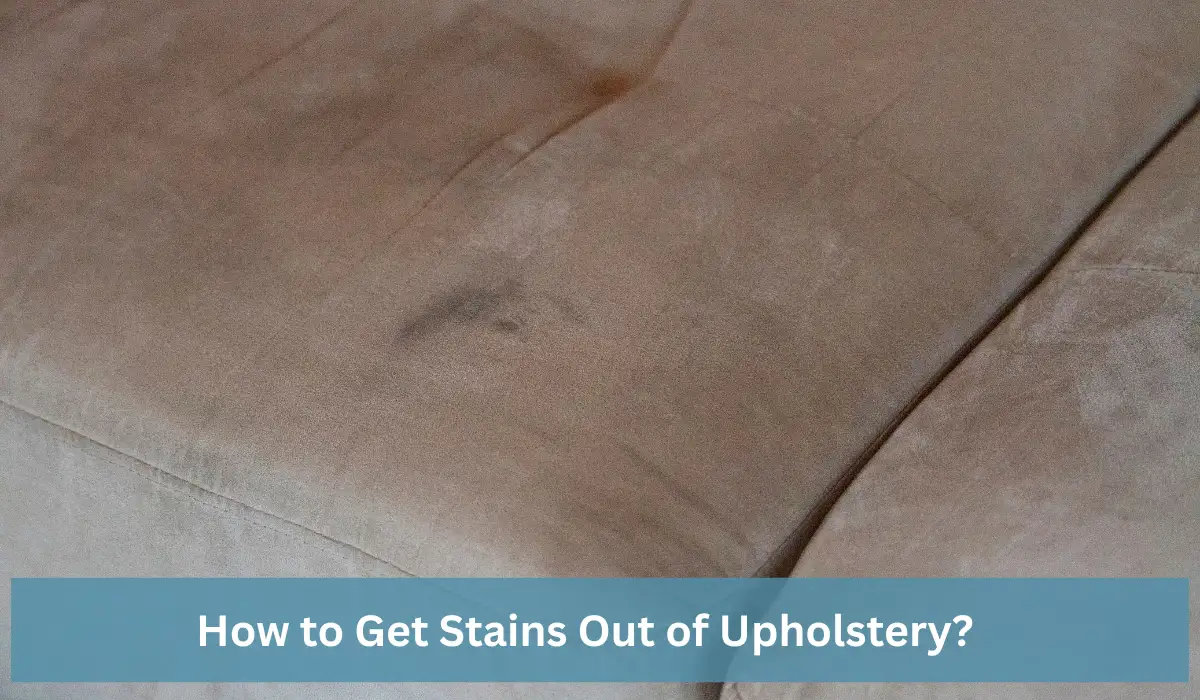
Before diving into the solutions, it’s important to understand why upholstery can be so difficult to clean. Most couches are made from fabric that is absorbent, which means spills, stains, and dirt quickly soak into the material. This makes it harder to lift stains without the proper technique. Knowing how to clean stains based on the fabric type is essential for avoiding further damage.
If you’re dealing with how to clean mould off couch or how to remove mould from a couch, it’s important to act quickly, as mould can set into the fabric and cause both damage and a lingering smell. Fortunately, there are effective, budget-friendly DIY methods to tackle this issue and other stubborn stains on your upholstery.
Baking soda and vinegar are two of the most effective natural cleaning agents for removing stains from upholstery. Baking soda is a mild abrasive that can lift dirt and stains from fabric, while vinegar acts as a natural disinfectant and stain remover. When combined, these two ingredients create a powerful cleaning solution.
Sprinkle Baking Soda: First, sprinkle a generous amount of baking soda directly onto the stained area of the couch.
Apply Vinegar: In a spray bottle, mix one part white vinegar with one part water and spray it onto the baking soda.
Let It Sit: Allow the mixture to sit for 15 to 20 minutes. The baking soda will fizz as it lifts dirt and stains from the fabric.
Scrub and Wipe: Using a clean cloth or soft brush, gently scrub the stained area in a circular motion. Afterwards, wipe away the excess mixture with a damp cloth.
Dry the Area: Let the fabric air dry. You can also use a fan to speed up the drying process.
This method is great for food stains, pet stains, and dirt buildup. If you’re trying to learn how to remove old stains from upholstery, this solution can effectively tackle long-lasting marks.
Dish soap is gentle on fabric, but it has strong grease-cutting power, making it effective for removing oily stains. Combining it with warm water helps loosen dirt, making it easier to clean upholstery without damaging the fabric.
Prepare the Solution: In a bowl, mix a few drops of dish soap with warm water.
Apply the Solution: Dampen a clean cloth in the soapy water, then blot the stained area. Be careful not to soak the fabric, as excess moisture can damage the couch.
Scrub the Stain: For tougher stains, use a soft-bristled brush to gently scrub the area.
Rinse and Dry: Wipe the area with a clean, damp cloth to remove the soap. Let the fabric air dry completely.
This solution is particularly useful for grease- or oil-based stains, and it can be a great way to learn how to get stains out of a couch without using harsh chemicals.
Rubbing alcohol is a fantastic solution for ink, marker, or pen stains, as it breaks down the pigments and helps lift them from the fabric. It also evaporates quickly, making it less likely to leave a water stain behind.
Apply Rubbing Alcohol: Dampen a cotton ball or clean cloth with rubbing alcohol.
Blot the Stain: Gently blot the ink or marker stain with the cotton ball. Avoid rubbing, as this can spread the stain further.
Repeat if Necessary: Continue blotting until the stain lifts, and then wipe the area with a clean cloth.
Dry the Upholstery: Let the area dry completely.
This method is ideal for stubborn ink stains, so if you’re wondering how to remove old stains from couch caused by ink, this is the perfect solution.
Mould can grow on upholstery if the fabric is exposed to excessive moisture or humidity. Using an antifungal solution is the most effective way to remove mould from your couch. The key is to act quickly to prevent the mould from setting in.
Create a Solution: Mix equal parts white vinegar and water in a spray bottle. You can also use hydrogen peroxide for a stronger mould removal solution.
Spray the Affected Area: Lightly spray the mouldy area with the solution. Be sure to do this in a well-ventilated area to avoid inhaling fumes.
Scrub the Stained Area: Use a soft-bristled brush to scrub the mould off the upholstery. Be gentle to avoid damaging the fabric.
Wipe and Dry: Wipe the area with a clean, damp cloth to remove any excess solution. Allow the fabric to dry completely.
If you’re asking how to clean mould off couch or how to remove mould from couch, this simple solution should work effectively, leaving your couch looking fresh again.
For tough stains that DIY solutions can’t remove, a commercial upholstery stain remover may be necessary. These products are specifically designed to tackle a variety of stains, including pet accidents, wine spills, and ground-in dirt. They’re easy to use and often produce fast results.
Choose the Right Product: Pick a stain remover that is safe for your type of upholstery. Always test it on an inconspicuous area of the fabric first.
Apply the Stain Remover: Follow the manufacturer’s instructions for applying the stain remover. Typically, you’ll spray it directly onto the stained area.
Let It Sit: Allow the product to sit for the recommended amount of time.
Blot the Stain: After the solution has had time to work, blot the stain with a clean cloth. Do not rub the fabric, as this can spread the stain.
Rinse and Dry: Once the stain is removed, wipe the area with a damp cloth to remove any residue, and let it dry.
While this method isn’t as natural as the others, it can be highly effective for stubborn stains that require more power.
Getting stains out of your upholstery doesn’t have to be a hassle. With these five DIY solutions, you can tackle most common stains, from coffee spills to pet accidents and even mould buildup. Whether you’re trying to figure out how to get stains out of a couch or looking for ways to remove old stains from upholstery, these tips will help you maintain clean and fresh furniture. If you’re dealing with tougher stains or mould, remember that professional cleaning services can always lend a hand for those extra stubborn marks. Keep your couch and upholstery looking their best with regular cleaning and these effective DIY methods.